
Despite national and global commitments, women and girls in Nigeria continue to face pervasive Gender-Based Violence (GBV) and poor access to Sexual and Reproductive Health and Rights (SRHR) services. Every day, an estimated 137 women are killed by a partner or family member. Nigerian women and girls are disproportionately affected by physical and sexual violence, with 30% of women aged 15–49 having experienced physical violence and 9% having experienced sexual violence at least once, according to the Nigeria Demographic and Health Survey. Inadequate SRHR services have contributed to high maternal mortality, unintended pregnancies, and restricted bodily autonomy. During crises, these issues worsen, especially sexual violence, which often leads to physical and psychological trauma and limits economic opportunities for survivors.
The Voluntary National Review (VNR) process allows countries like Nigeria to report on their progress toward the Sustainable Development Goals (SDGs), as part of the global 2030 Agenda. While official VNRs reflect government perspectives, shadow reports from civil society—particularly youth-led organizations—provide alternative and more inclusive assessments. Recognizing the importance of youth participation, organizations like YouthHubAfrica and NGYouthSDGs have collaborated to develop a Youth-led VNR Shadow Report. This report highlights youth-specific insights and recommendations on key SDGs that directly affect young people, such as SDG 3, 4, 5, 8, 10, 16, and 17. It is grounded in evidence gathered through youth consultations, community dialogues, policy analysis, and data collection across Nigeria’s six geopolitical zones.
To further amplify youth voices on a global stage, two youth delegates have been selected through an inclusive and competitive process to represent Nigeria at the 2025 High-Level Political Forum in New York. These youth champions will present the findings of the Youth-led VNR Shadow Report, engage in side events focused on youth and sustainable development, and advocate for more meaningful youth inclusion in SDG implementation and accountability frameworks. Representing the diverse realities of young Nigerians across gender, region, and social groups, this report serves as a powerful call to action for greater youth participation, accountability, and partnership in achieving the Sustainable Development Goals.
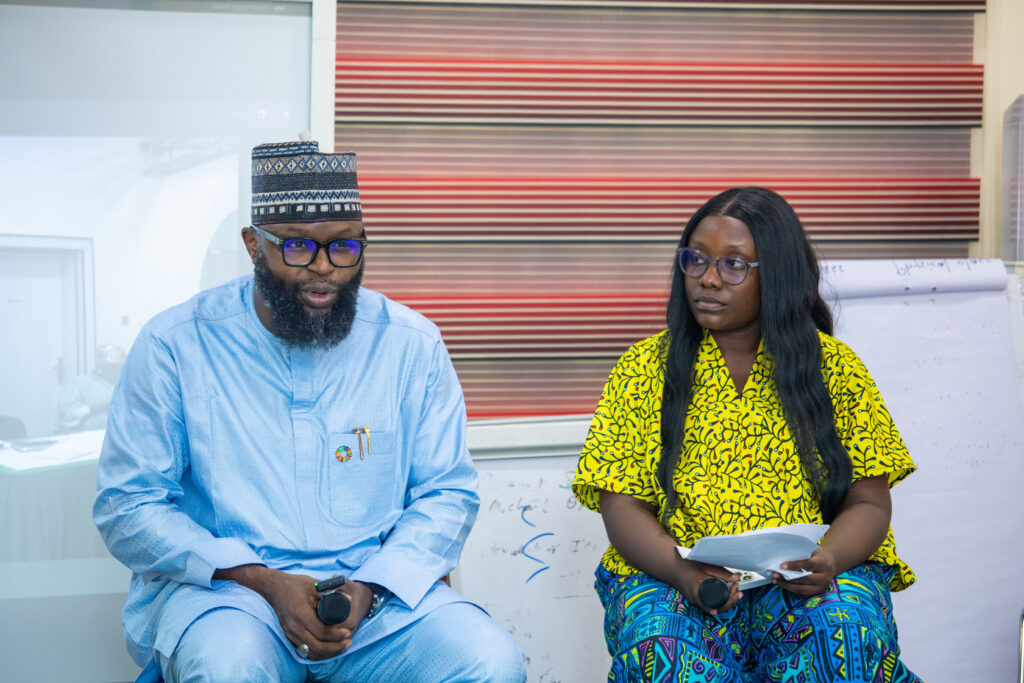
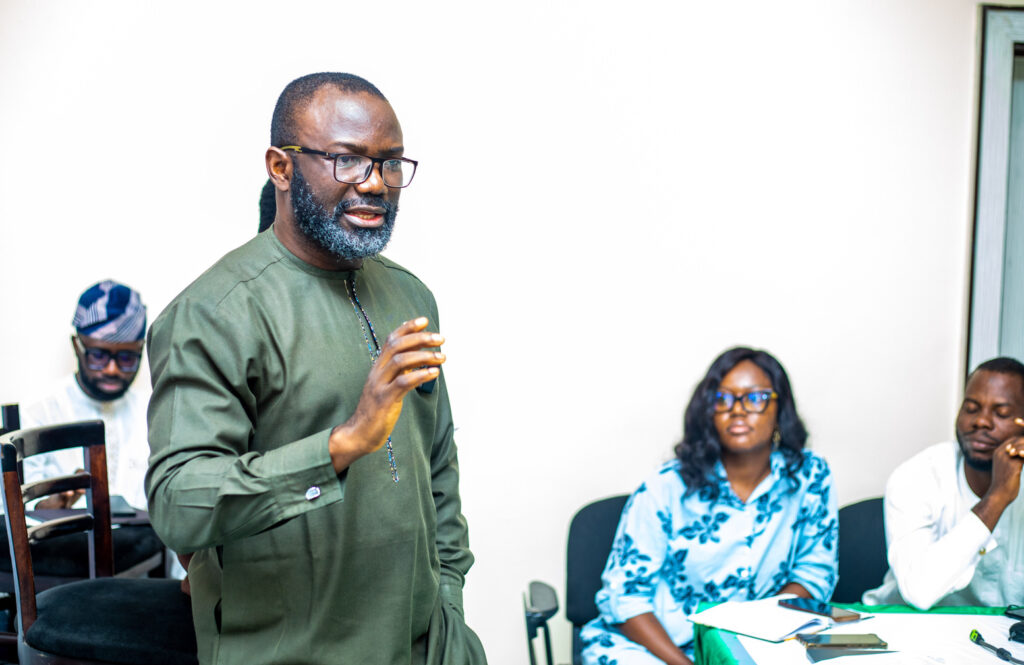
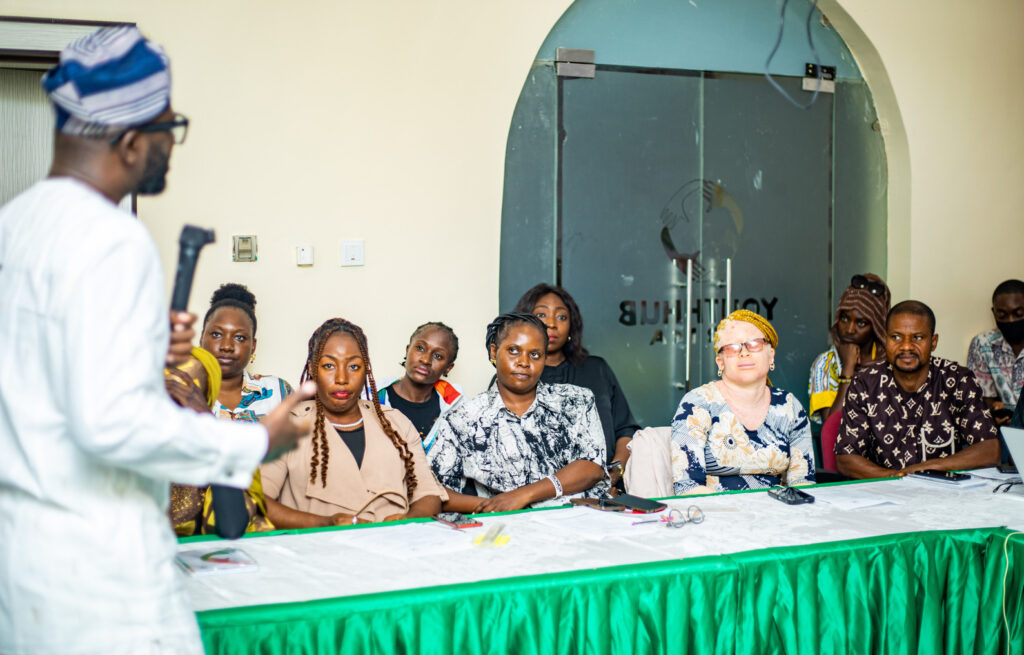
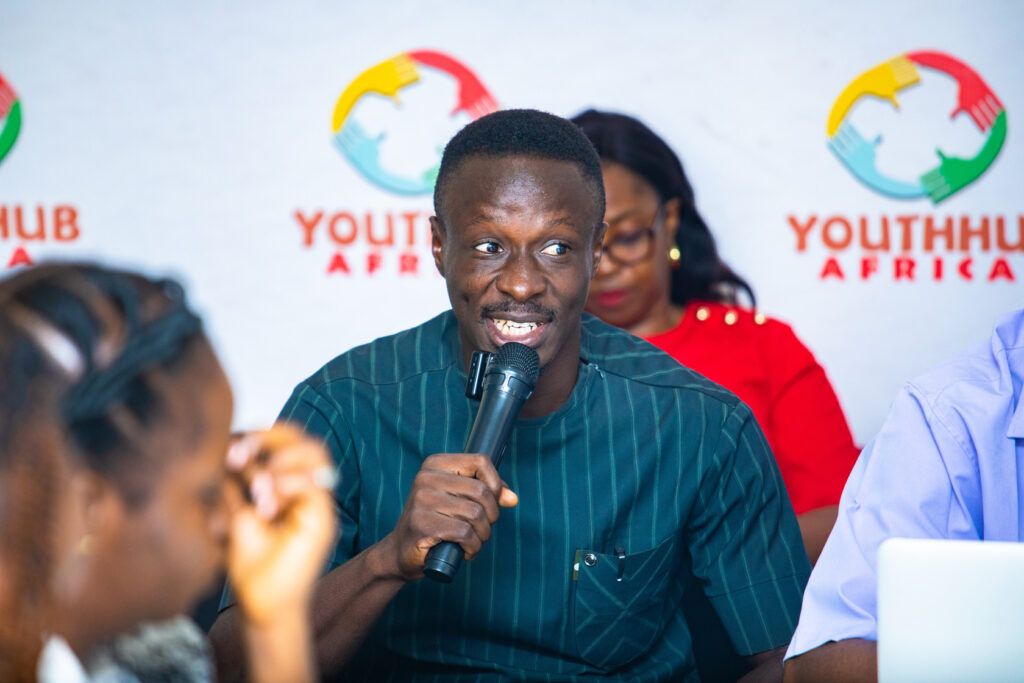
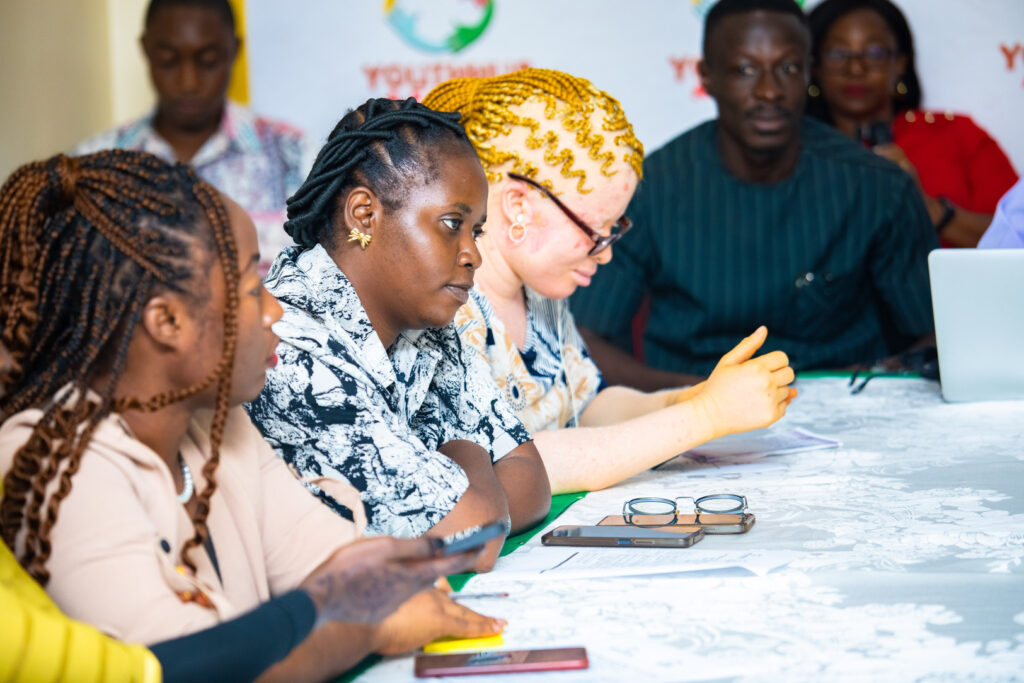
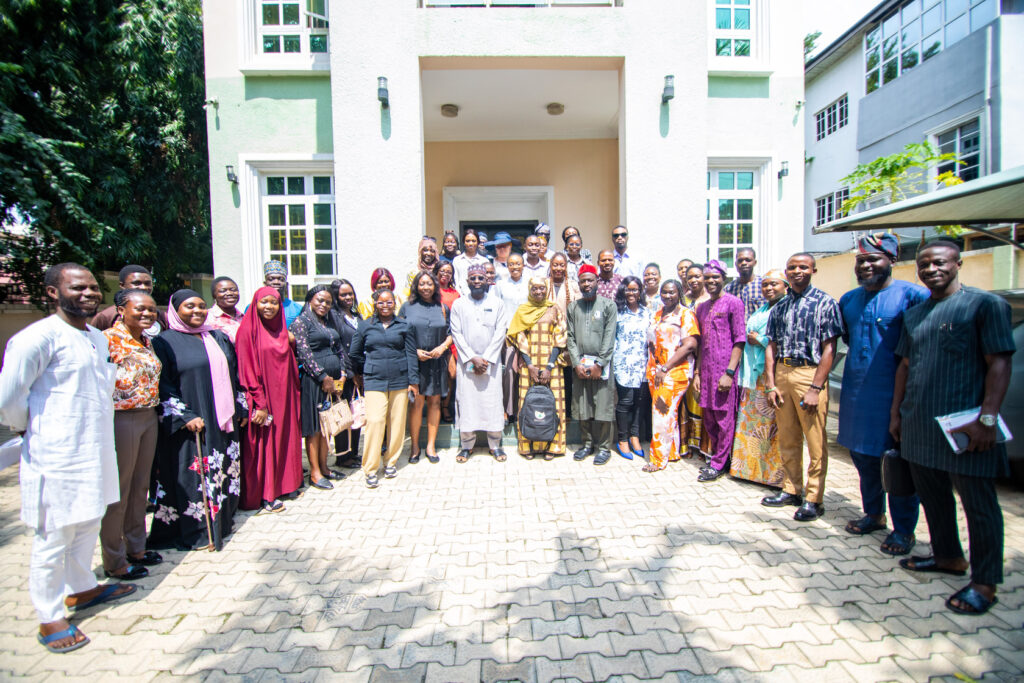
Moments captured from Meeting
