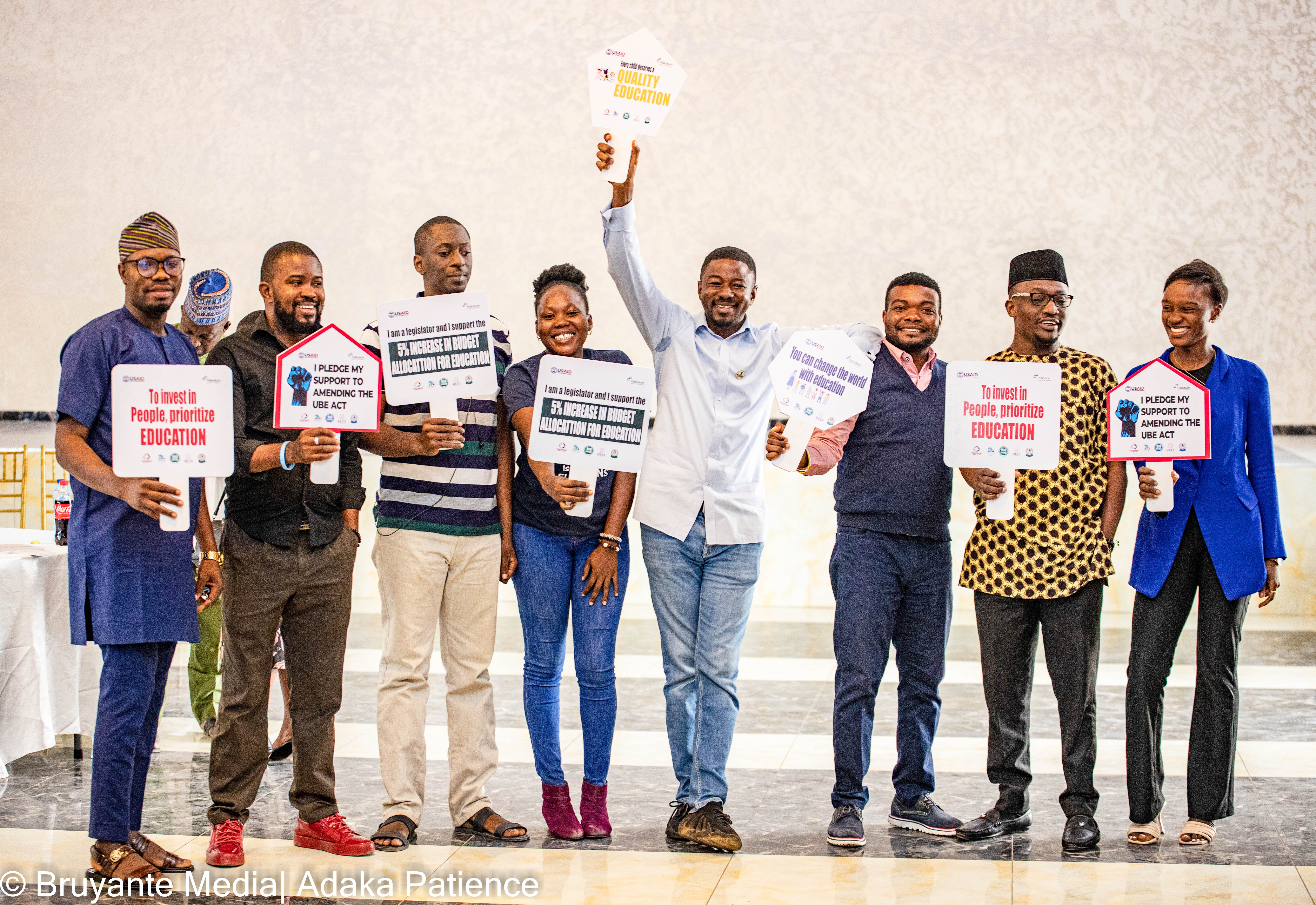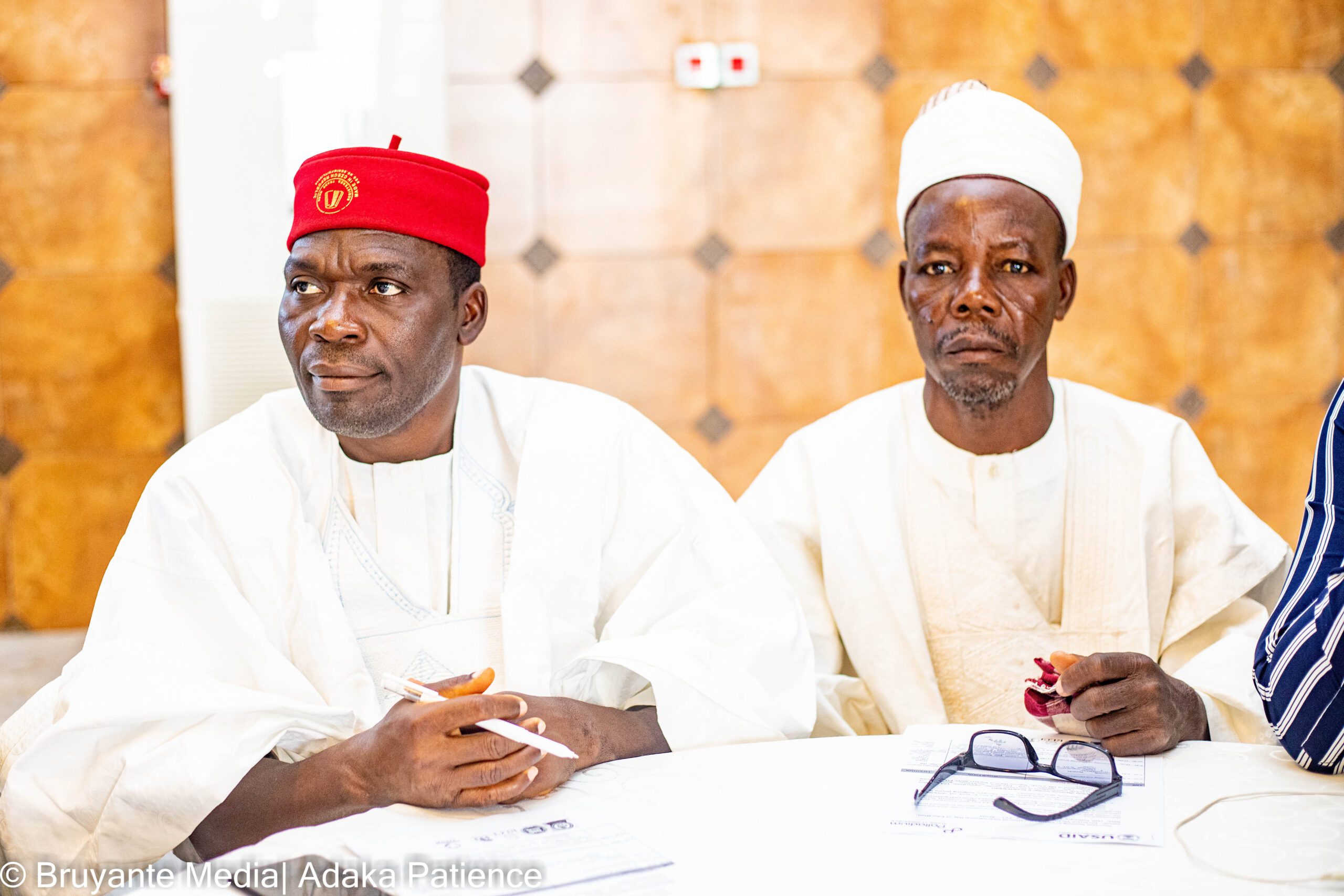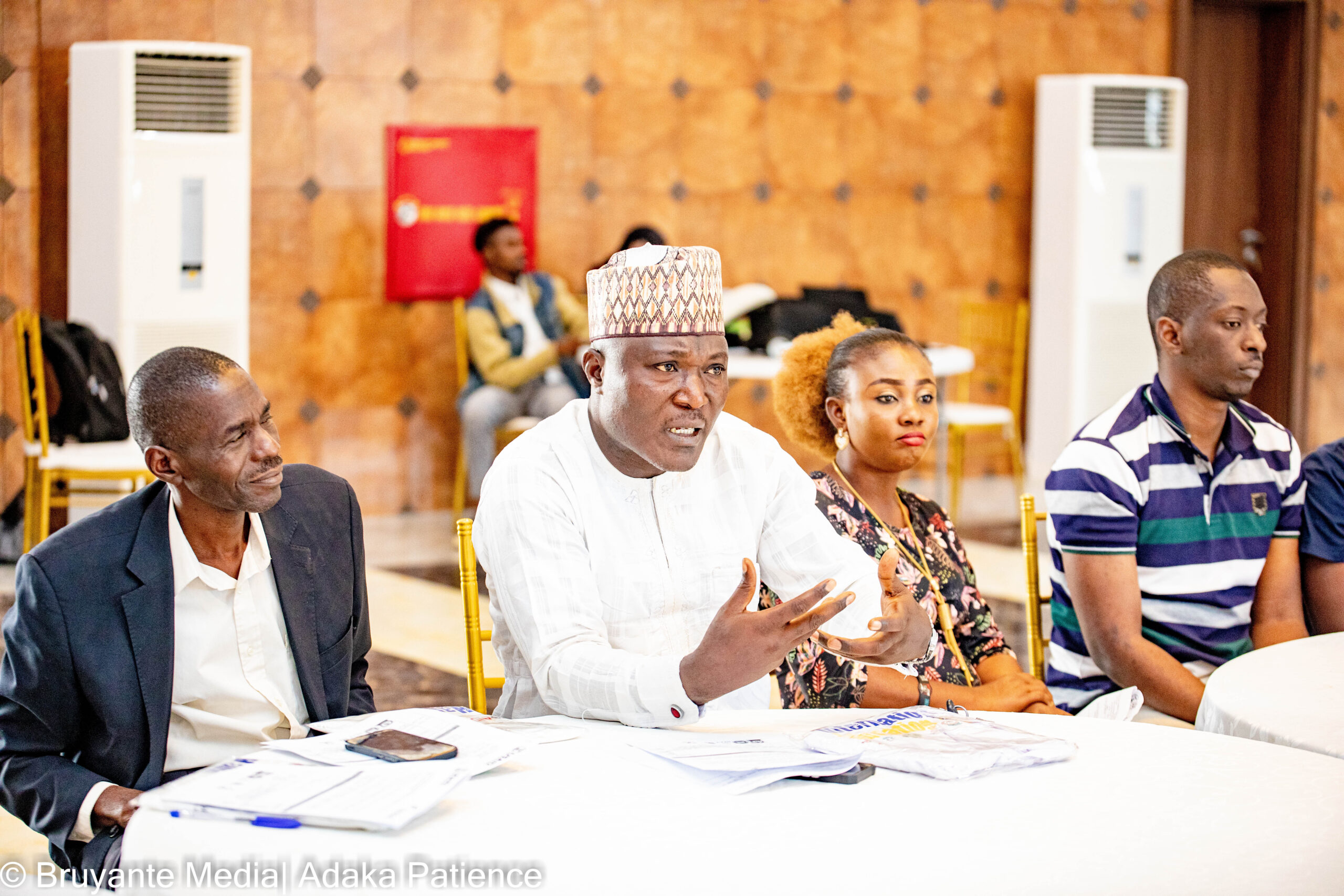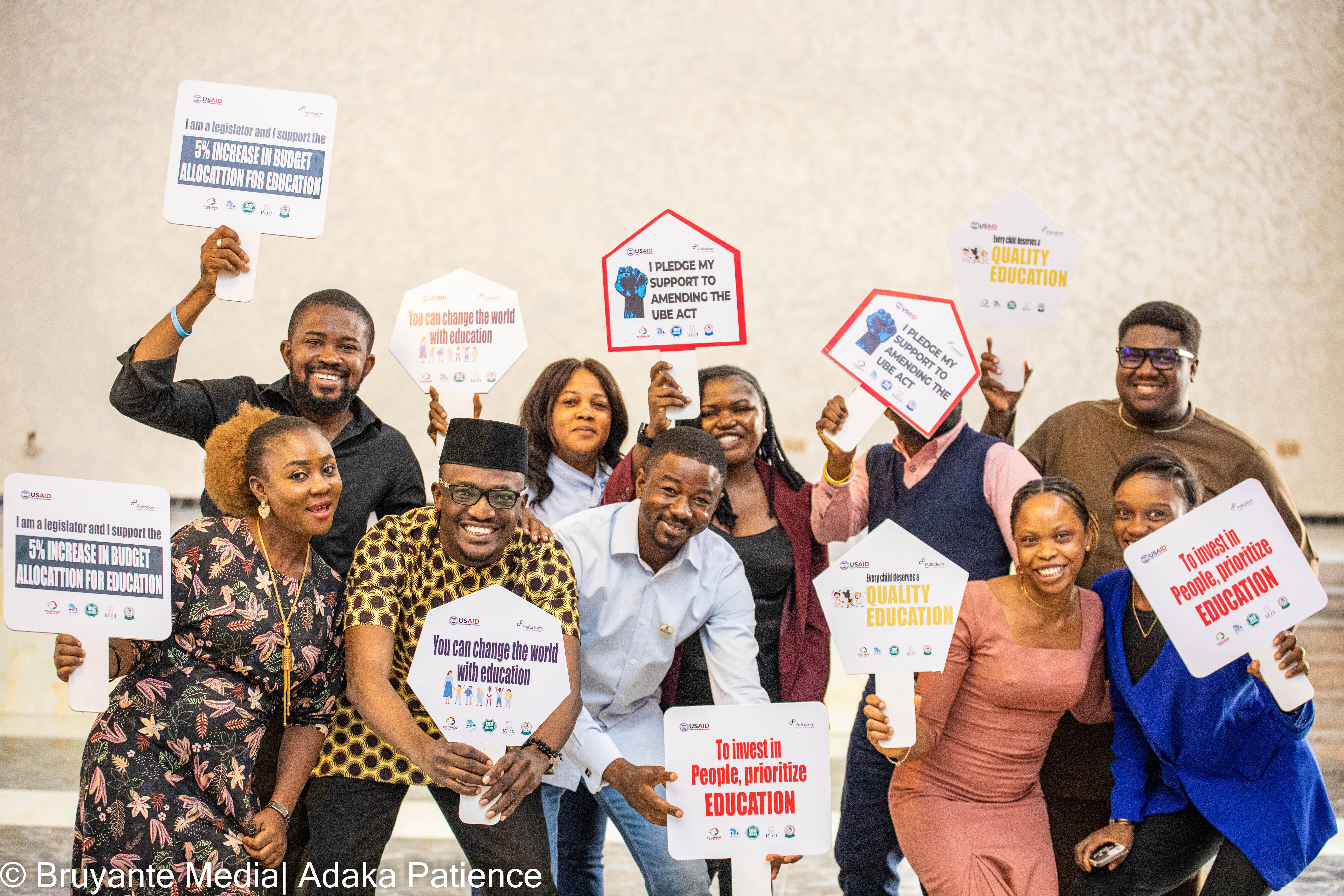
Funded by Palladium SCALE, the Accountability for Good Governance in Education (AGGE) Project was implemented across five locations in Nigeria—Ebonyi, Kwara, Kebbi, Kano States, and the Federal Capital Territory (FCT). The project was designed to strengthen good governance in the education sector by promoting transparency and accountability in the planning, disbursement, and utilisation of education funds, particularly those managed by the Universal Basic Education Commission (UBEC).The overall goal of the AGGE Project was to improve accountability in the work plans of State Universal Basic Education Boards (SUBEBs) and to support the effective disbursement and implementation of Universal Basic Education (UBE) funds across the five targeted locations. By strengthening citizen engagement and oversight, the project contributed to improved education financing, service delivery, and learning outcomes.The AGGE Project sought to influence the Federal Government of Nigeria to increase budgetary allocations to primary and secondary education, while also supporting the institutionalisation of citizen participation and civic engagement in UBE processes at the state level. In addition, the project advocated for increased and timely state-level budgetary allocations to education, including the prompt release of UBE counterpart funding, to ensure that resources were effectively deployed where they were most needed.Through this initiative, YouthHubAfrica, alongside members of the Accountability for Good Governance in Education (AGGE) Cluster, strengthened the #AmendUBEAct campaign at the national level through strategic engagement with policymakers, influencers, and key education stakeholders. The AGGE Cluster comprised YouthHubAfrica as the anchor organisation, Kayode Alabi Leadership and Career Initiative, Development and Integrity Intervention Goal (DIG) Foundation, Bridge Connect Africa Initiative, and Women’s Rights Advancement and Protection Alternative (WRAPA). Together, these organisations contributed expertise in community mobilisation, stakeholder engagement, policy analysis, and third-party monitoring, ensuring a coordinated and impactful approach to improving education governance in Nigeria.